
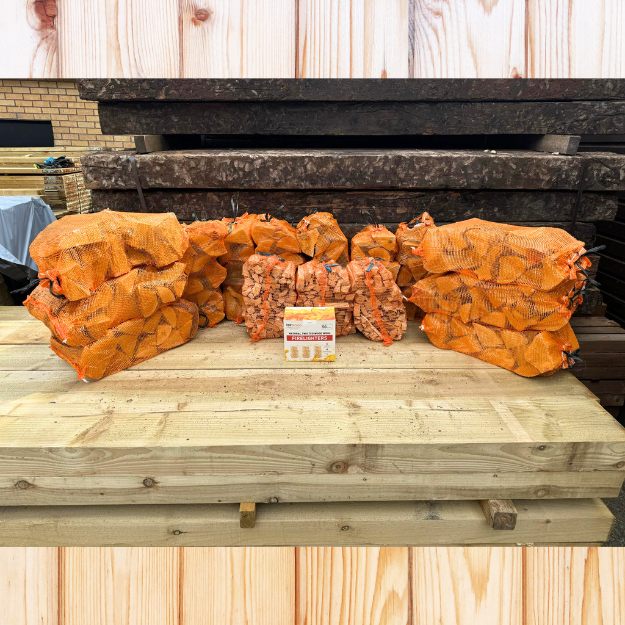
Winter Safety Tips: Using Firewood and Fuels Responsibly
Winter in Sussex, Brighton and around the UK brings with it the delightful prospect of cosy evenings by the fire, but it also comes with important safety considerations.
Whether you’re using firewood, coal, or other winter fuels, it’s crucial to prioritise safety to prevent accidents and ensure a warm, secure heating experience.
Here, you will find essential winter safety tips to use firewood and fuels responsibly during the chilly months.
Fuel Storage Safety
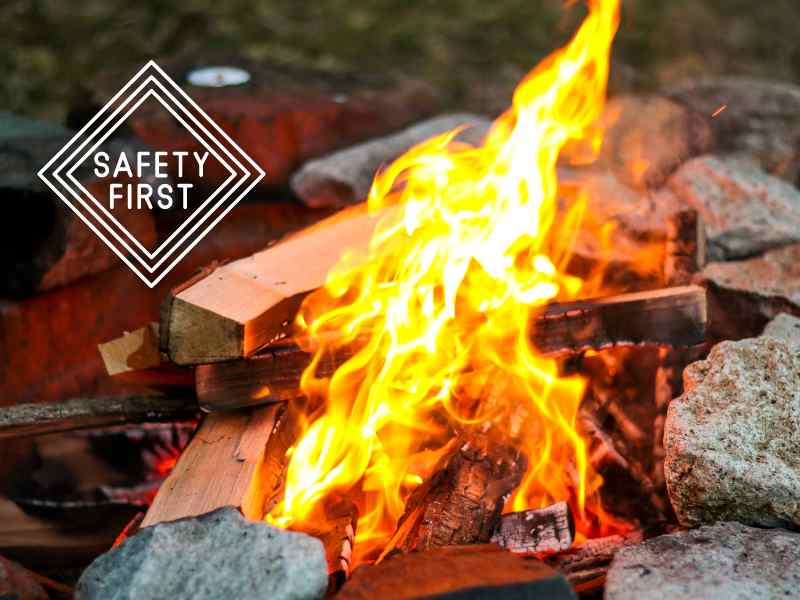
a. Keep Fuels Dry: Moisture can impact the quality of firewood and fuels. Store your firewood and coal in a dry, well-ventilated area to maintain their integrity and efficiency. Moisture can not only reduce their burning efficiency but also encourage the growth of mould and fungi.
b. Maintain Distance: Store your fuels at a safe distance from your home, ensuring they are not in direct contact with your house or any flammable materials. This reduces the risk of fires spreading to your property.
Fireplace and Stove Safety
a. Regular Inspection: Before the winter season begins, have your fireplace or stove inspected by a professional to ensure it’s in good working order. This includes checking for blockages, creosote buildup, and any potential issues with the chimney or flue.
b. Clear Surroundings: Keep the area around your fireplace or stove clear of combustible materials, such as furniture, curtains, and decorations. A clear zone helps prevent accidental fires.
c. Use a Screen: Always use a protective screen or glass door when your fireplace or stove is in use to prevent sparks or embers from escaping.
d. Ventilation: Ensure proper ventilation to prevent the buildup of carbon monoxide (CO). Install carbon monoxide detectors in your home and check their batteries regularly.
Firewood Safety
a. Use Seasoned Wood: Burn seasoned firewood with low moisture content to maximise heat output and minimise creosote buildup in your chimney. Kiln Dried Birch Logs and Seasoned Logs are excellent choices for clean and efficient burning.
b. Avoid Treated Wood: Do not burn treated or painted wood, as it can release toxic fumes when burned.
4. Proper Lighting and Maintenance
a. Use Kindling: Use Kiln Dried Kindling or other suitable fire starters to ignite your fire safely. Avoid using flammable liquids like gasoline or kerosene.
b. Regular Cleaning: Clean your fireplace or stove regularly, removing ash buildup. This ensures proper airflow and reduces the risk of sparks.
c. Attend to the Fire: Never leave a fire unattended, especially with young children or pets around.
Safe Coal Usage
a. Quality Matters: Use high-quality coal, such as Premium Smokeless Coal, for a cleaner and safer burn. Low-quality coal can produce more smoke and harmful emissions.
b. Follow the Manufacturer’s Instructions: If you have a coal-burning stove or appliance, adhere to the manufacturer’s instructions for safe usage and maintenance.
6. Fire Extinguishers and Alarms
a. Fire Extinguishers: Keep a fire extinguisher designed for home use in a convenient and easily accessible location. Learn how to use it correctly.
b. Smoke and CO Alarms: Install smoke detectors and carbon monoxide alarms on each floor of your home, especially near sleeping areas. Test them monthly and replace batteries as needed.
Emergency Preparedness
a. Fire Escape Plan: Develop a fire escape plan with your family, outlining escape routes and a meeting point outside your home.
b. Emergency Services: Keep local emergency service numbers readily available, including the fire department, in case of an emergency.
Children and Pets
a. Supervision: Ensure that children and pets are supervised when near the fireplace or stove. Use safety gates or barriers if necessary.
b. Teach Safety: Teach your children about the dangers of fire and the importance of not playing with matches or fire.
By following these winter safety tips and using firewood and fuels responsibly, you can enjoy the warmth of your fireplace or stove without compromising safety.
Remember, prevention is key, and a few precautions can go a long way in ensuring a safe and comfortable winter heating experience.
Prioritise safety, and you’ll be able to relax and savour the cosy ambience that a well-maintained fireplace or stove provides during the colder months.
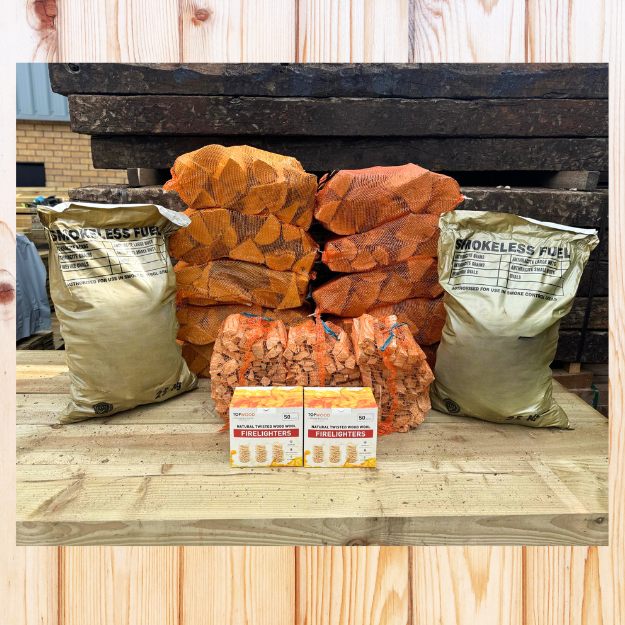

 Postmix – FAST POST CONCRETE 20kg
 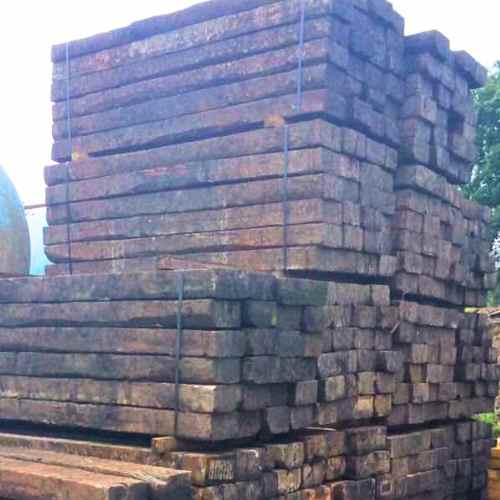 Reclaimed Railway Sleepers - Wholesale Pack 24 -150x250x2600
  Oak Garden Sleepers - Wholesale Pack 25 -100x200x2.4m
 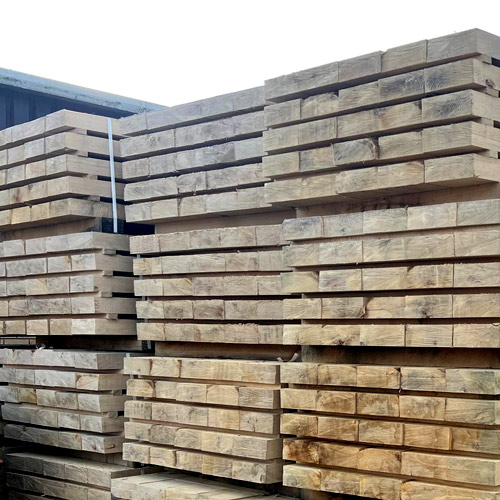 Oak Garden Sleepers 100x200x2.4m - Wholesale Pack - Full Load 500 Sleepers
 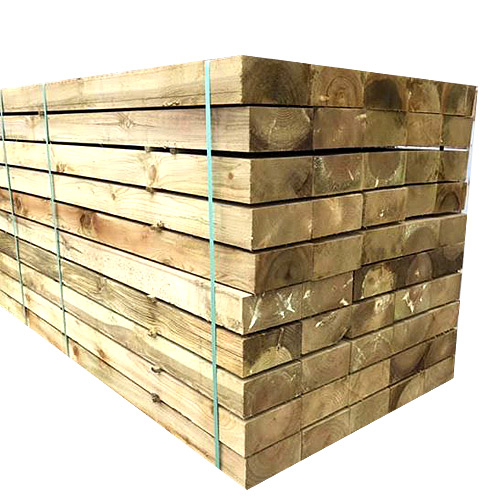 Garden Sleepers - Half Lorry Load - 432 Sleepers - 100x200x2.4m
 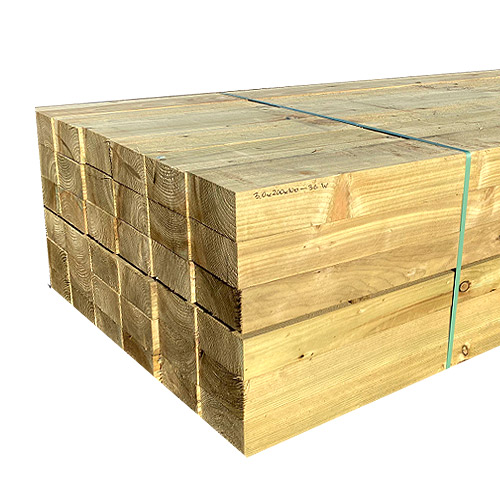 Garden Sleepers - Wholesale Pack Of 50 - 100x200x3000m
 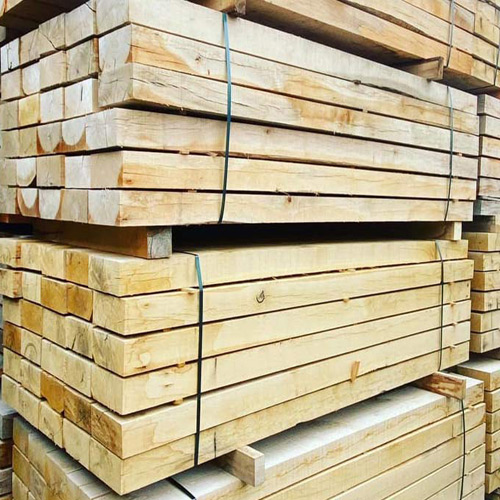 Oak Garden Sleepers 100x200x2.4m - Wholesale Pack 90 Pieces
 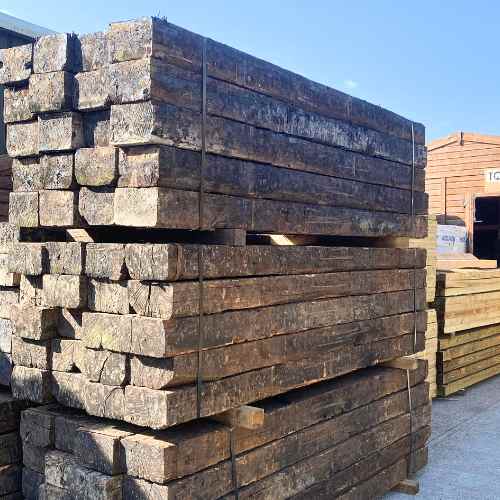 Reclaimed Railway Sleepers - Wholesale Pack 24 -150x250x2600
 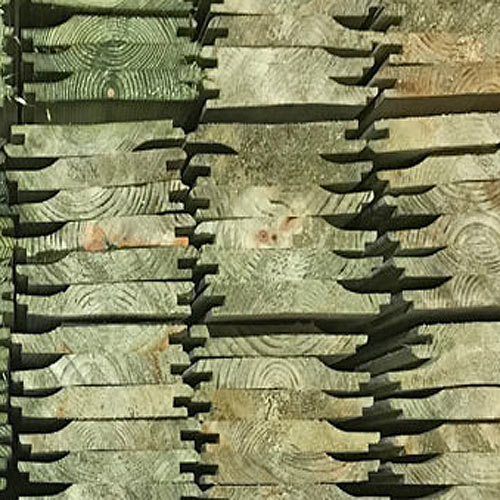 T&G Shiplap Tanalised (pressure treated) Timber 19x125 (16x119) 4.8m Wholesale Pack of 324 Pieces
 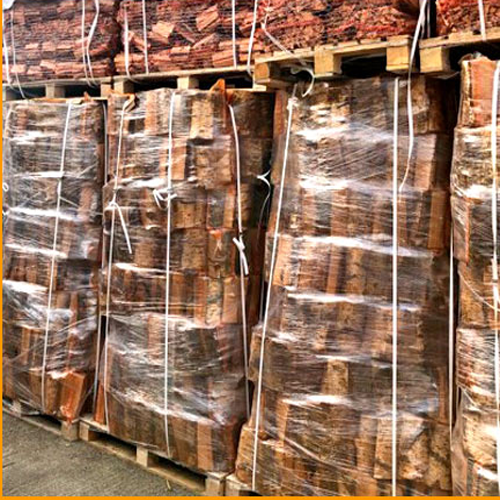 Kiln Dried Birch Logs Firewood- Wholesale Packs - 1 Pallet 80 Nets
 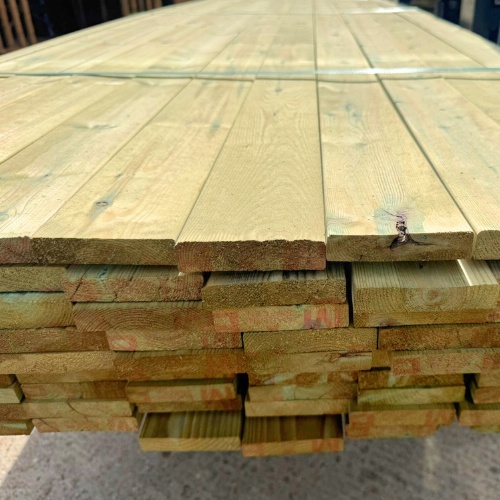 PAR Eased 4 Edges Landscape Batten Tanalised (pressure treated) 25x100 (18X95) 3.6m
 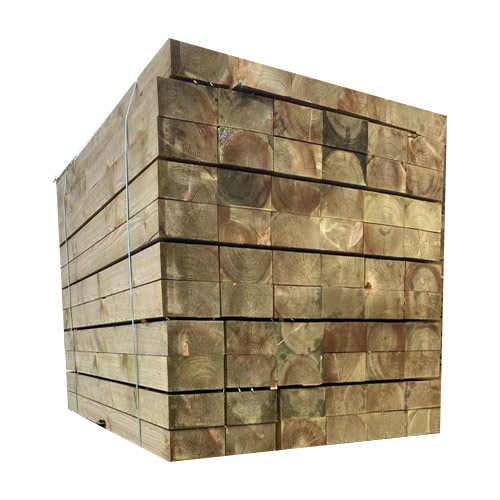 Garden Sleepers - 100x200x1.8m
  47x200 (45X195) C24 Graded Tanalised (pressure treated)
 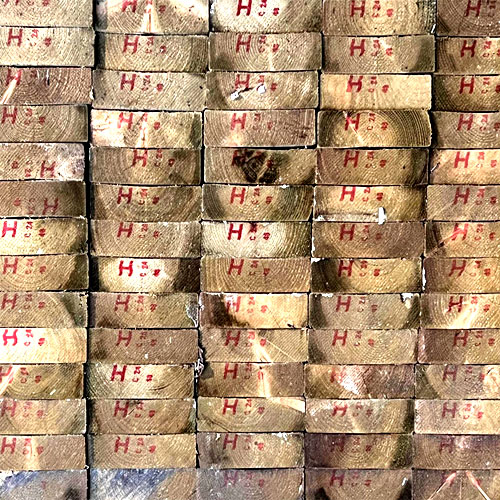 47x175 (45X170) 4.8m C24 Graded Tanalised (pressure treated)
 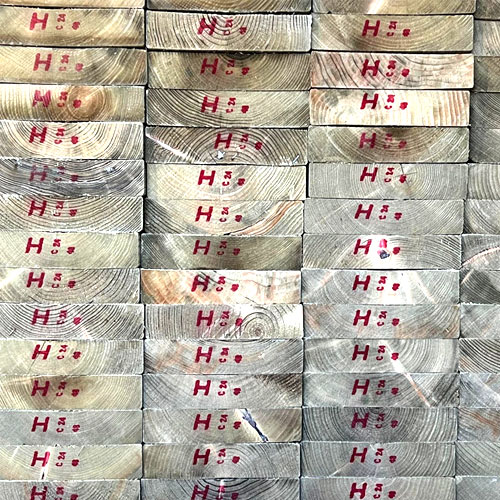 47x225 (45X220) 4.8m C24 Graded Tanalised (pressure treated)
 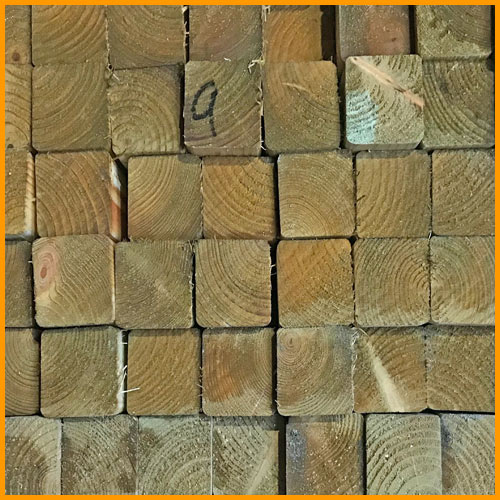 47x50 (45x45) C24 Graded Carcassing
 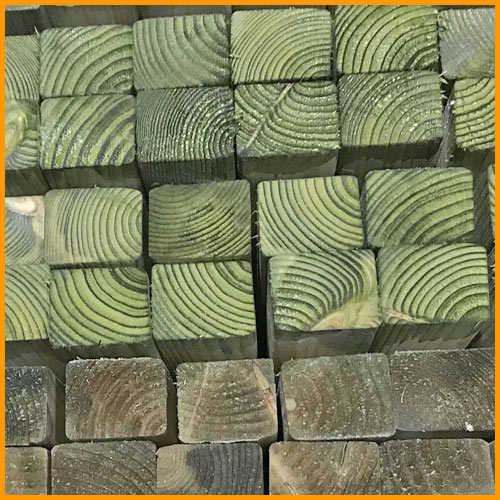 38x50 (34x45) SF WW Framing Tanalised (pressure treated)
 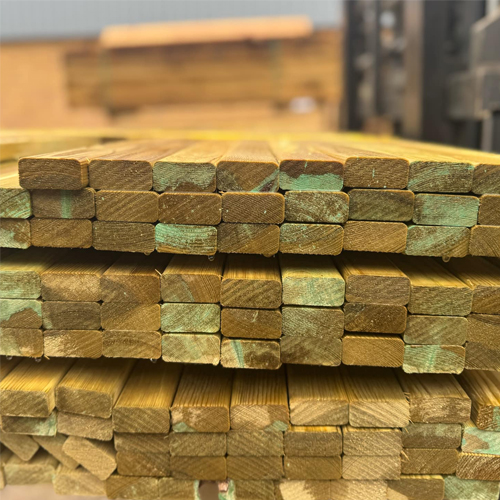 PAR Eased 4 Edges Landscape Batten Tanalised (pressure treated) 25x50 (20.5x44) 3.9m
 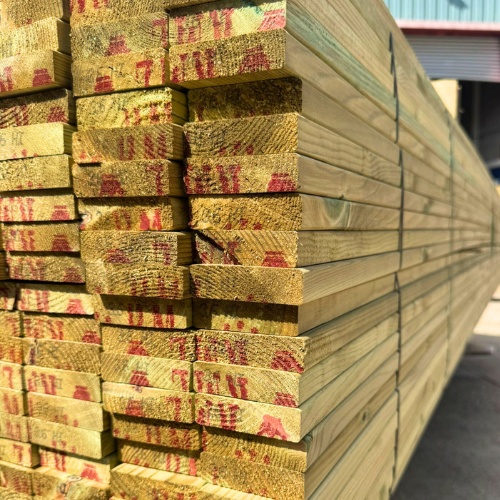 PAR Eased 4 Edges Landscape Batten Tanalised (pressure treated) 25x75 (18X70) 3.6m
 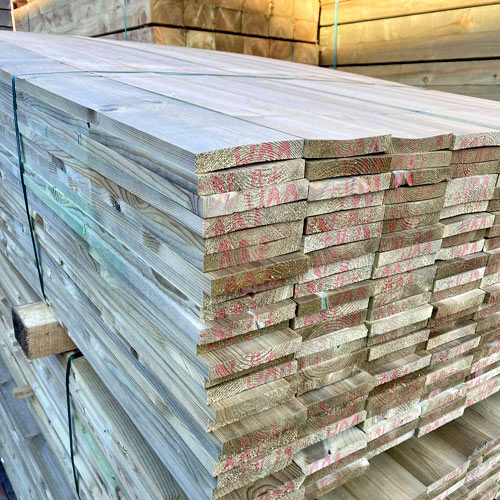 Prepared Redwood Tanalised (pressure treated) (12x95) 16x100x3900mm
 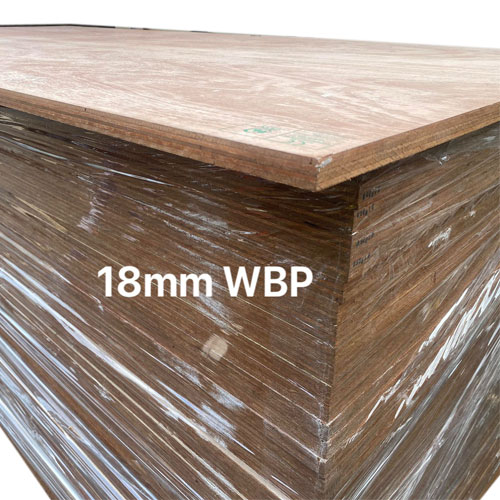 Far Eastern WBP Plywood 18 mm- 2440 x 1220
 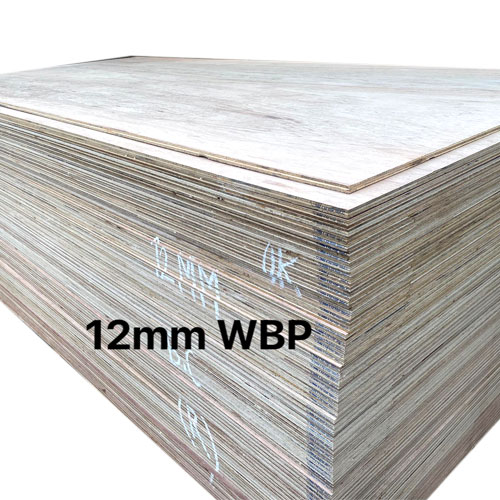 Far Eastern WBP Plywood - 2440 x 1220 x 12mm
  OSB3 Plywood 2440 x 1220 x 11mm
  BS Graded Scaffold Boards - 36x225x3.9m Tanalised (pressure treated)
 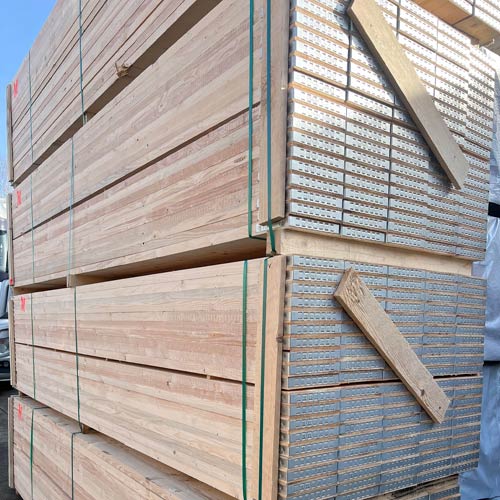 BS Graded Scaffold Boards - 36x225x3.9m
 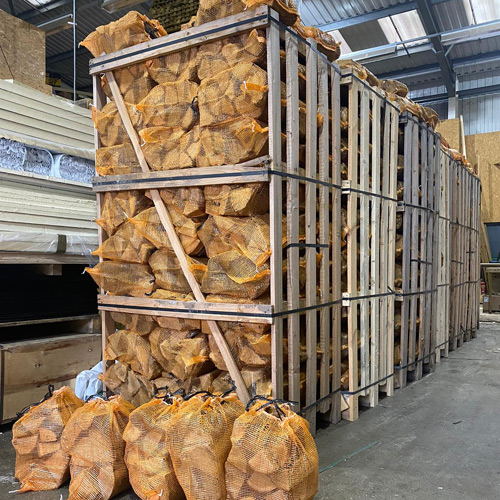 Kiln Dried Oak Logs Firewood- Wholesale Packs - Pallet Of 80 Nets
 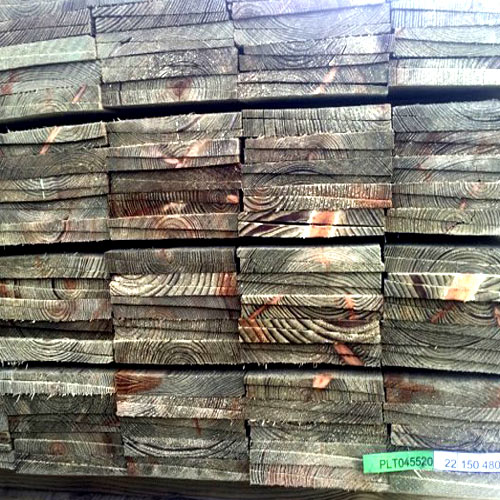 Sawn Featheredge - 4.8 Mtrs – (25×150) Wholesale: 280 Pieces Per Pack
  3 Lever Mortice Sash Lock 63mm
 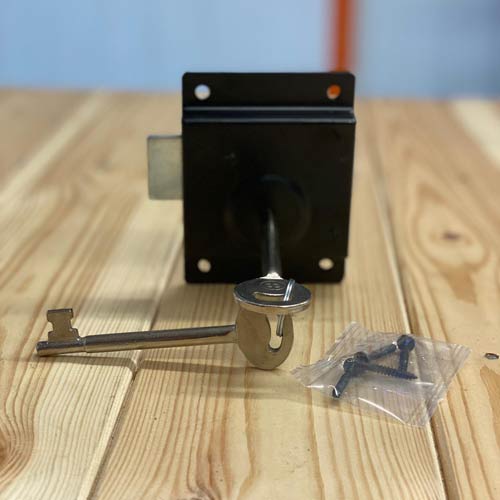 3” Press Lock
 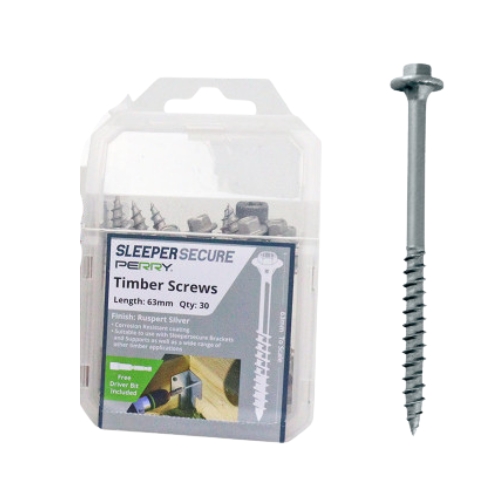 63mm Secure Sleeper Screws - Hex Head - Pack of 30
 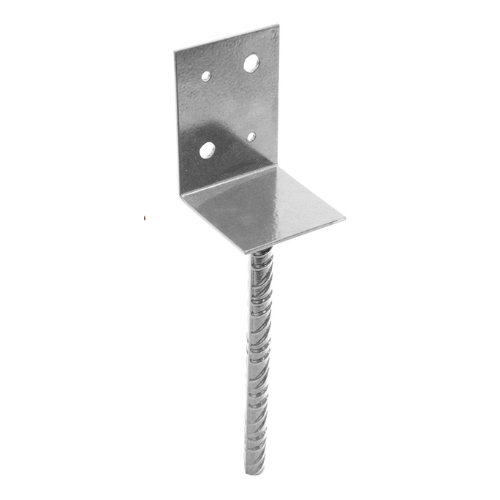 75mm Sleeper / Base Anchor Bracket Concrete In
  Brown Silicone Sealant
 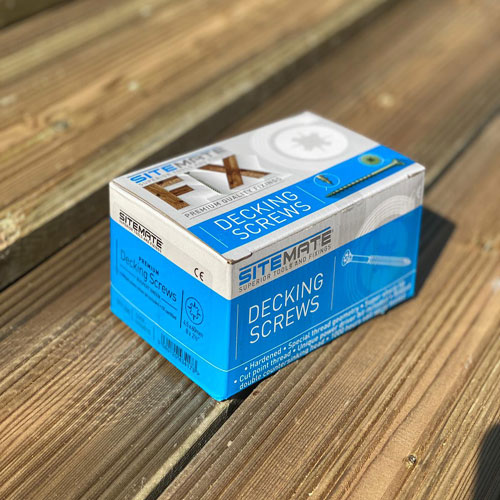 Decking Screws Box 4.5 x 60mm (200 pcs)
 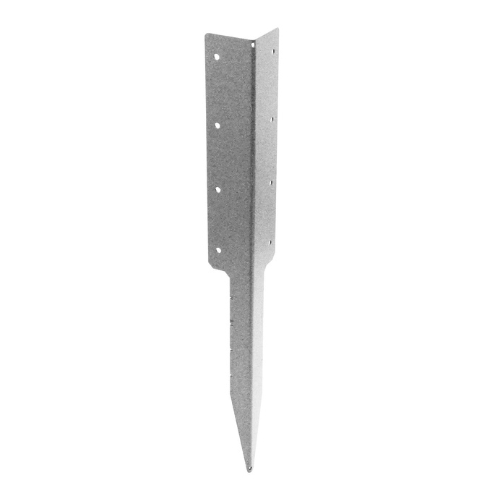 Double Sleeper Corner Support Spike
 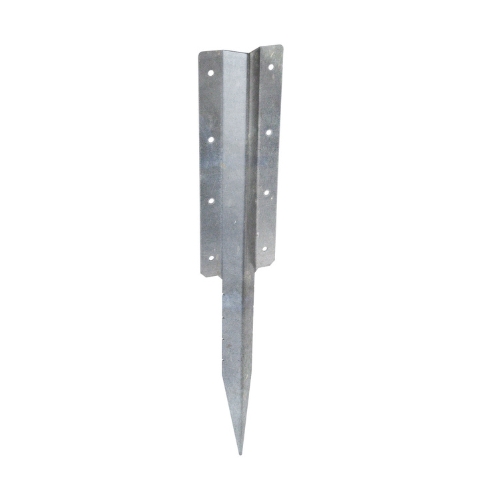 Double Sleeper Straight Support Spike
  ELH Clout Nails 1kg Bags
 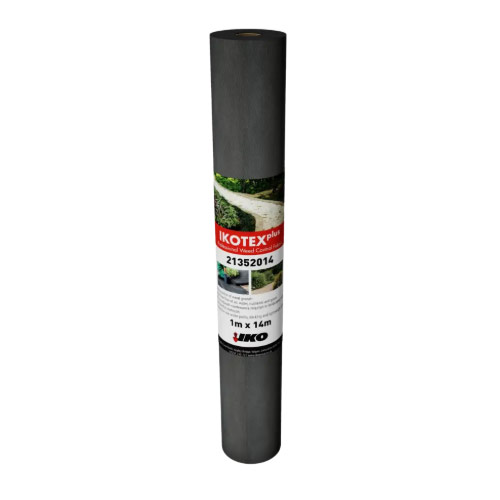 IKOtex Plus Weed Control Fabric
 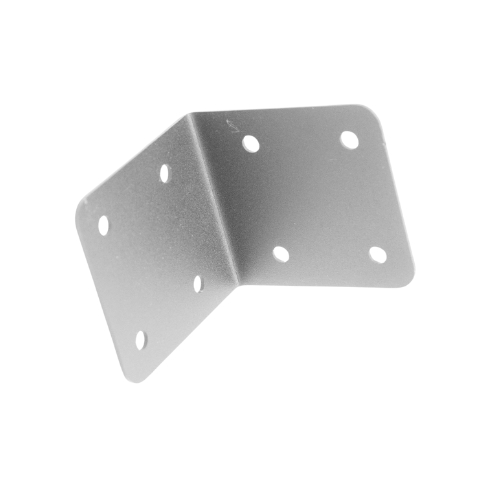 Internal Sleeper Corner Support Bracket
 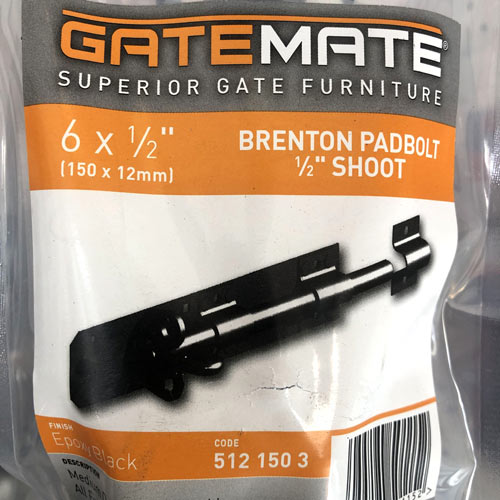 Padbolt 6" Black
 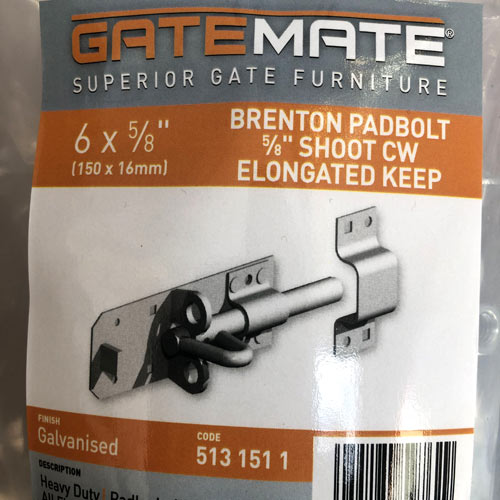 Padbolt 6" Galvanised
 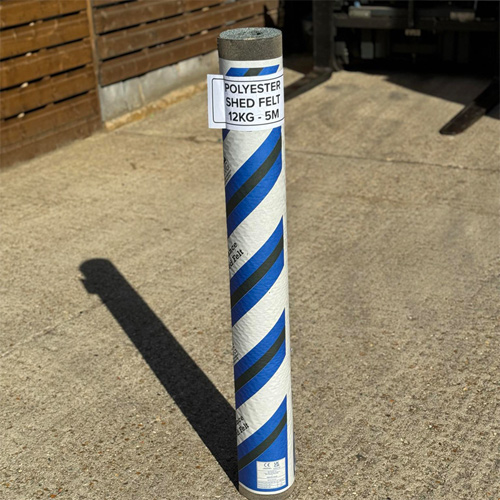 Roofing Felt Super Shed Polyester 12kg 5x1m Roll
 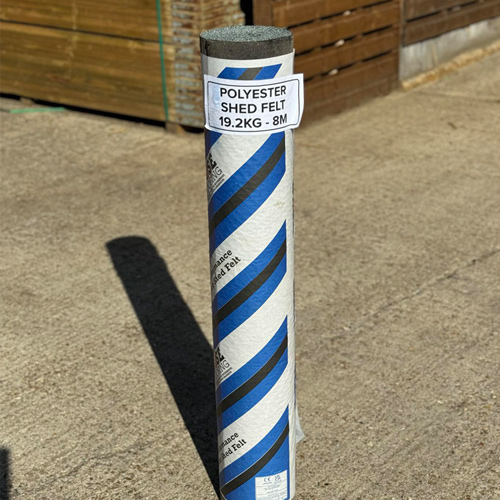 Roofing Felt Super Shed Polyester 19.2kg 8x1m Roll
 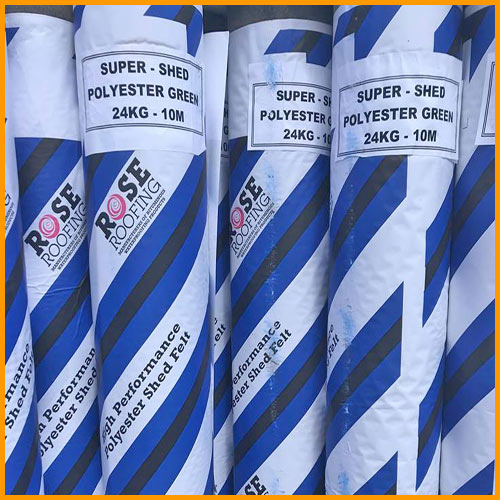 Roofing Felt Super Shed Polyester 24kg x 10m Roll
  Round Wire Nails 50 x 2.65mm Galvanised
 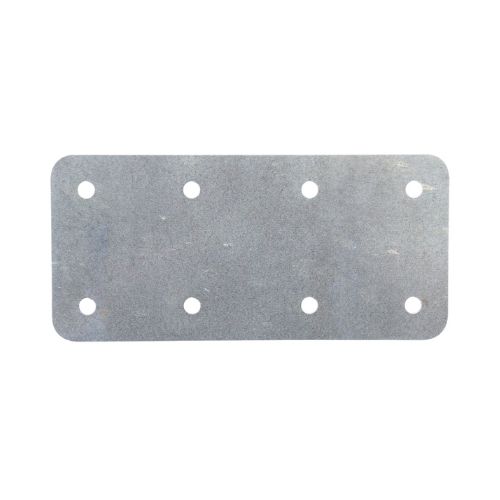 Short Internal Sleeper Straight Flat Support Plate
 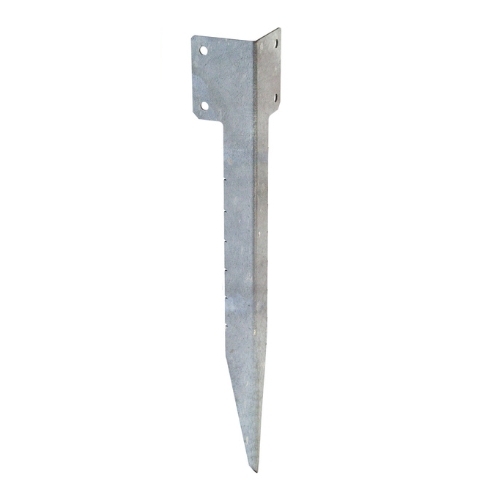 Single Sleeper Corner Support Spike
 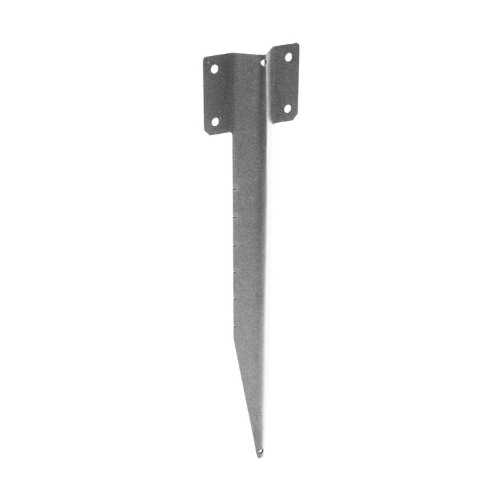 Single Sleeper Straight Support Spike
 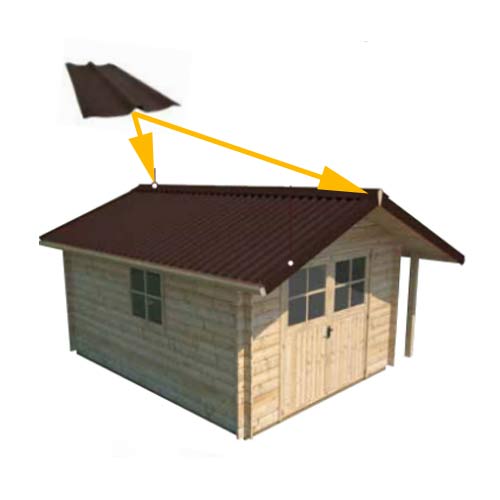 Onduline Roofing Ridges - Black
 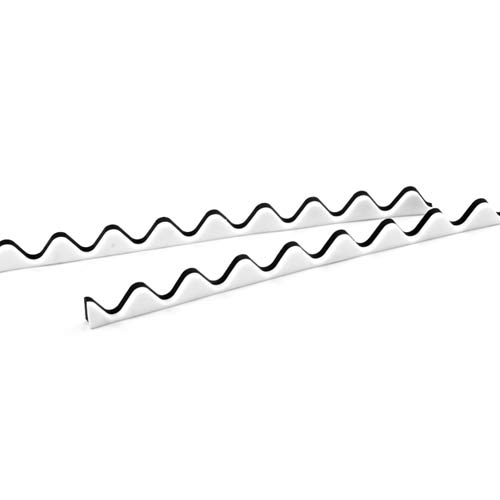 Onduline Roof Foam Filler
 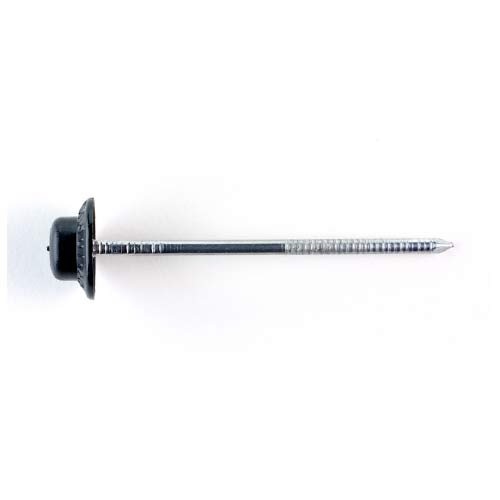 Onduline Roof Nails - Packs Of 100
 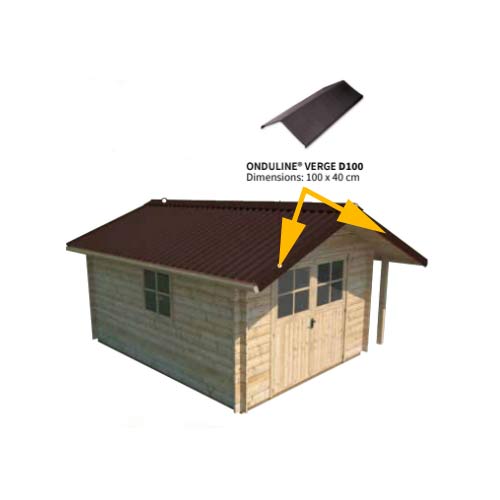 Onduline Roofing Black Slim Verges
 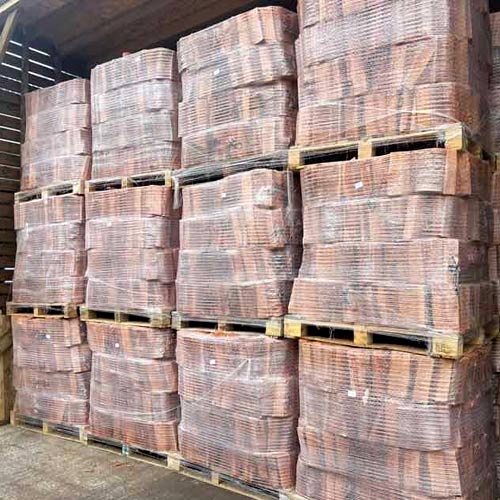 Firewood: Seasoned Logs - Wholesale Packs - 1 Pallet of 80 Nets